Robot Vs Human Playing Chess Game Vector: Integrating AI Symbolism into Visual Workflows
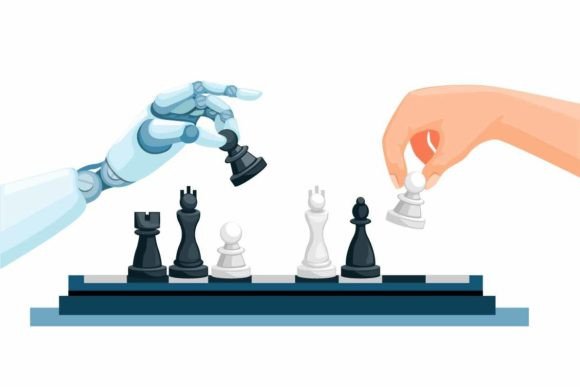
In the landscape of modern digital communication, few metaphors are as universally recognized as the chess match between man and machine. The Robot Vs Human Playing Chess Game Vector serves as more than just a decorative element; it is a functional visual shorthand for strategic intelligence, technological competition, and collaborative problem-solving. For professionals ranging from content marketers and educators to software developers and business consultants, this specific type of cartoon illustration vector bridges the gap between complex technical concepts and accessible audience understanding. Integrating this asset effectively requires treating it not as an afterthought, but as a deliberate component of your broader visual strategy and project workflow.
Defining the Asset in Professional Contexts
Before incorporating a Robot Vs Human playing chess game vector into a project, it is essential to understand its specific utility within professional ecosystems. Unlike raster images or photographs, vector graphics are mathematically defined, allowing for infinite scalability without quality loss. This technical characteristic makes them indispensable for multi-platform campaigns where the same asset must appear on a business card, a website hero section, and a large-format presentation slide.
The "cartoon illustration" style mentioned in this context is a strategic choice rather than an aesthetic accident. In corporate and educational settings, hyper-realistic depictions of robots can sometimes trigger unease or imply dystopian themes. A stylized, cartoon-based vector softens the narrative, making artificial intelligence technology symbols approachable and engaging. This visual tone is particularly effective when explaining sensitive topics like automation, job displacement, or algorithmic decision-making to non-technical stakeholders. The chess motif specifically conveys intellect, foresight, and rules-based interaction, distinguishing it from generic "tech" imagery that often relies on abstract circuits or binary code.
Pre-Project Planning and Asset Selection
Successful integration begins before the design phase. During the planning stage of a blog post, white paper, or product launch, teams should evaluate whether the Robot Vs Human playing chess game vector aligns with the core message. This involves a semantic audit of the content. If the project focuses on brute force computing or data processing, a chess metaphor may be misleading. However, if the content addresses strategic partnerships, learning algorithms, ethical AI, or competitive analysis, this vector becomes a high-value asset.
During this preparation phase, consider the following compatibility factors:
- Color Palette Alignment: Ensure the vector’s color scheme matches your brand guidelines. Vectors allow for easy recoloring, but selecting an asset with a neutral or customizable base saves significant production time.
- Narrative Consistency: Determine who is winning in the illustration. Does the robot dominate, or is the human guiding the piece? The visual hierarchy must support the textual argument regarding human-AI collaboration versus replacement.
- Licensing and Usage Rights: Verify that the vector license covers all intended use cases, including commercial modification, web embedding, and print distribution. Proper attribution planning at this stage prevents legal bottlenecks later.
- Technical Specifications: Confirm file format compatibility (SVG, EPS, AI) with your current design stack. Web projects benefit from SVG for performance, while print workflows typically require EPS or PDF.
Execution During Creative and Technical Workflows
Once selected, the Robot Vs Human playing chess game vector interacts directly with various tools and platforms during the execution phase. For web designers and front-end developers, implementing this asset as an inline SVG offers distinct advantages over traditional image tags. Inline vectors can be manipulated via CSS, allowing for hover states, animations, and responsive color changes that adapt to dark mode preferences. This transforms a static illustration into an interactive UI element that reinforces user engagement.
For content creators and bloggers, the placement of this vector influences readability and SEO structure. Rather than using the image solely as a featured thumbnail, integrate it within the body content to break up dense text sections discussing AI logic or strategic planning. When doing so, alt text optimization is critical. Descriptive attributes such as "cartoon vector illustration of robot and human playing chess representing AI strategy" provide context for screen readers and search engines, reinforcing the page's topical relevance without keyword stuffing.
In educational and training environments, this vector serves as an anchor for conceptual frameworks. Instructional designers can use the chess board as a diagrammatic base, overlaying labels on specific pieces to represent different AI components (e.g., neural networks, natural language processing) or human roles (e.g., oversight, ethics, creativity). Because vectors consist of editable paths, educators can deconstruct the illustration to create custom diagrams that evolve alongside the curriculum, ensuring long-term usability beyond a single course module.
Workflow Integration Examples
Different professionals leverage this asset type through distinct operational lenses:
- Marketing Teams: Use the vector in A/B testing for ad creatives. Test the cartoon chess illustration against photographic tech imagery to measure click-through rates and emotional resonance with target demographics aged 20–50.
- SaaS Product Managers: Incorporate the vector in onboarding flows to gamify the learning process. The familiar chess metaphor helps users visualize how they interact with the software’s AI features.
- Freelance Designers: Maintain a curated library of pre-vetted Robot Vs Human playing chess game vectors. Having organized, categorized assets reduces turnaround time for client revisions and ensures consistent quality across diverse projects.
- Corporate Communicators: Utilize the vector in internal change management presentations. When introducing new AI tools to employees, the friendly, strategic nature of the chess metaphor helps mitigate anxiety and frames the technology as a collaborative partner.
Post-Implementation Quality Control and Optimization
After deployment, the work continues through monitoring and refinement. Visual assets impact performance metrics and user perception, necessitating ongoing evaluation. For web-based implementations, monitor Core Web Vitals to ensure the vector file size does not negatively affect Largest Contentful Paint (LCP) or Cumulative Layout Shift (CLS). Even scalable vectors can become bloated if they contain unnecessary metadata or hidden layers. Running files through optimization tools like SVGO or Illustrator’s "Export As" function ensures lean code that supports fast load times.
From a content efficacy standpoint, analyze how pages featuring the Robot Vs Human playing chess game vector perform compared to those without. Look at dwell time, bounce rate, and social shares. If the vector appears in high-performing content, document the specific stylistic choices and contextual placement that contributed to success. This creates an internal knowledge base that informs future asset acquisition and creation decisions.
Maintenance also involves keeping the visual language current. AI symbolism evolves rapidly. What looked cutting-edge three years ago may now appear dated. Regularly review your asset library to ensure the cartoon illustrations still reflect contemporary attitudes toward technology. If the cultural conversation shifts toward hybrid intelligence or augmented cognition, you may need to modify existing vectors or source new ones that better reflect the nuance of human-machine symbiosis rather than simple opposition.
Strategic Considerations for Long-Term Use
Integrating this specific vector type is ultimately an exercise in visual communication strategy. The most effective users treat the Robot Vs Human playing chess game vector as a modular component of their brand identity system. By establishing clear guidelines for when and how to use this imagery, organizations maintain consistency across departments and campaigns. This reduces cognitive load for audiences who learn to associate specific visual styles with your organization’s perspective on technology.
Furthermore, consider the accessibility implications of using symbolic imagery. While the chess metaphor is widely understood in Western contexts, ensure it translates appropriately for global audiences. In some cultures, alternative strategy games or visual metaphors may resonate more effectively. Maintaining flexibility in your visual toolkit allows you to adapt the core concept of human-AI interaction without being locked into a single iconographic representation.
Ethical representation also plays a role in long-term asset management. As discussions around AI bias and fairness mature, the visual depiction of robots and humans carries weight. Cartoon illustrations offer a layer of abstraction that can navigate these complexities more safely than photorealistic imagery, but creators must remain vigilant. Ensure the vector does not inadvertently reinforce stereotypes about gender, race, or labor dynamics in its portrayal of the human player or the anthropomorphized machine.
Ultimately, the value of a Robot Vs Human playing chess game vector lies in its ability to simplify complexity without sacrificing meaning. When integrated thoughtfully into planning, execution, and maintenance workflows, it becomes a powerful tool for connecting with adult audiences navigating the intersection of human ambition and artificial intelligence. By focusing on practical application, technical compatibility, and strategic alignment, professionals can transform a simple illustration into a cornerstone of effective digital communication.