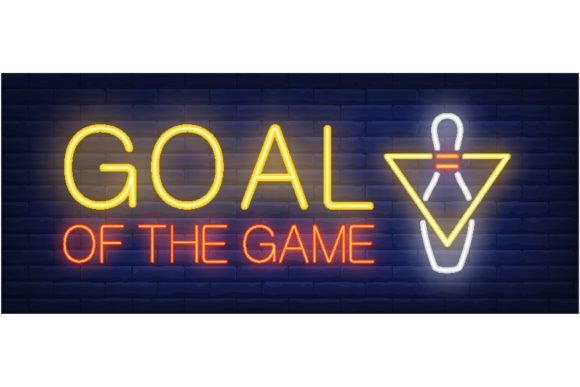
Goal of the Game Neon Text with Bowling: A Fusion of Retro Aesthetic and Modern Design
In today’s visually-driven world, the Goal of the Game Neon Text with Bowling concept has emerged as a compelling blend of nostalgic charm and contemporary design. This creative approach, often seen in vector illustrations, neon signs, and colorful billboards, brings together the excitement of bowling with the vibrant energy of neon lighting. Whether used for a bowling club’s branding or a themed advertisement, this design style captures attention and evokes a sense of fun and community.
Why Neon and Bowling Work So Well Together
Bowling has long been associated with social gatherings, arcade culture, and retro entertainment. Pairing it with neon—a design element that harks back to the 1980s but has seen a modern resurgence—creates a powerful visual synergy. The Goal of the game neon text with bowling skittle is not just a design choice; it’s a storytelling tool that communicates excitement, competition, and camaraderie.
From a design standpoint, neon lighting offers high visibility and emotional resonance, especially in low-light environments. This makes it ideal for bowling alleys, nightclubs, and event spaces where ambiance plays a crucial role in the customer experience. When combined with vector illustrations of bowling pins or skittles, the result is a design that is both engaging and functional.
How This Trend Fits Into Modern Design and Marketing
The resurgence of neon in branding and advertising isn’t accidental. Consumers today are drawn to bold, memorable visuals that stand out in a crowded digital and physical landscape. The Goal of the Game Neon Text with Bowling trend taps into this preference by offering a design language that is both nostalgic and forward-looking.
- Visual identity: Neon signs and vector illustrations help establish a strong brand presence, especially for entertainment venues like bowling clubs.
- Emotional engagement: The vibrant colors and dynamic shapes evoke a sense of playfulness and nostalgia.
- Adaptability: These designs can be scaled for use on banners, billboards, digital ads, and even merchandise.
For marketers and business owners, leveraging this aesthetic can differentiate their brand in a competitive market. A night-bright neon sign featuring a stylized bowling pin or a glowing “Strike Night” message can become a focal point for both in-person and online audiences.
Practical Applications for Bowling Clubs and Event Spaces
For bowling clubs and entertainment centers, the integration of neon-style graphics is more than just decoration—it’s a strategic branding move. A well-designed neon sign or colorful billboard can:
- Enhance visibility from a distance
- Encourage social media sharing
- Support themed events (e.g., retro nights, neon bowling leagues)
- Strengthen customer recall and loyalty
Consider a bowling alley that uses a light banner with animated neon text to promote a weekly trivia night or a special offer. The same design can be adapted into a digital ad for social media, creating a cohesive visual identity across platforms. This cross-channel consistency reinforces brand recognition and builds trust with the audience.
Designing with Vector Illustrations in Neon Style
Vector illustrations offer scalability and clarity, making them ideal for neon-themed designs. Whether it’s a detailed skittle or a stylized bowling ball, vector graphics ensure that the design remains crisp and vivid, even when enlarged for large-format printing.
Designers working on Goal of the game neon text with bowling skittle projects often focus on contrast, color saturation, and dynamic lighting effects. The key is to balance visual impact with readability. A neon sign should be eye-catching but not overwhelming. Similarly, a billboard needs to convey its message quickly and clearly to passersby.
Tools like Adobe Illustrator and free vector platforms such as Inkscape allow designers to experiment with glow effects, layering, and gradient overlays to mimic the look of real neon. These techniques can be applied to both physical signage and digital assets like website headers or promotional graphics.
How to Incorporate Neon Bowling Design Into Your Brand Identity
If you're a business owner, marketer, or designer looking to integrate this style into your branding, here are a few practical steps:
- Define your brand personality: Is your bowling venue retro-chic, family-friendly, or high-energy? Your neon design should reflect that.
- Choose the right color palette: Classic neon colors like red, blue, and yellow are popular, but don’t be afraid to experiment with gradients and pastel tones for a modern twist.
- Focus on legibility: Even the most artistic neon text should be easy to read. Avoid overly complex fonts or excessive effects that might distract from the message.
- Use consistent visual elements: If you feature a neon skittle in your logo, carry that same design motif into your signage, website, and promotional materials.
For instance, a bowling club launching a new Friday night event could use a colorful billboard with neon text that reads “Strike & Sip” alongside a glowing illustration of a cocktail glass and a bowling pin. This design would not only grab attention but also communicate the event’s theme clearly.
Conclusion: A Trend That Strikes the Right Chord
The Goal of the Game Neon Text with Bowling trend is more than just a passing fad. It reflects a broader shift in design preferences toward bold, emotionally resonant visuals that combine the best of analog nostalgia with digital innovation. Whether you're designing a new logo, planning an event, or rebranding a bowling alley, integrating neon-style elements can help you connect with your audience in a meaningful and memorable way.
As businesses and creators continue to explore fresh ways to stand out, expect to see more creative uses of neon-inspired graphics, especially in entertainment and lifestyle branding. The fusion of bowling iconography with neon aesthetics isn’t just stylish—it’s a smart, strategic choice for those looking to bowl a strike in both design and engagement.