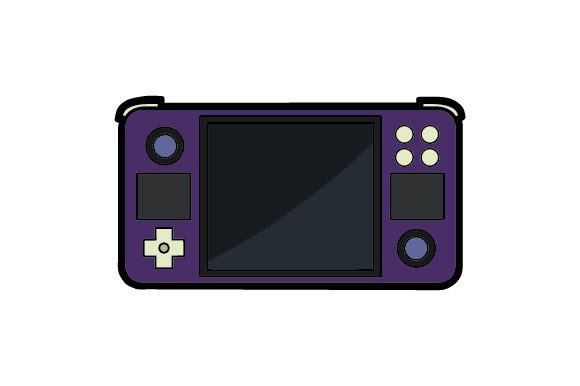
Handheld Game Emulator: A Portable Portal to Gaming’s Golden Era
For many, the charm of retro gaming lies in its simplicity—pixelated graphics, catchy chiptunes, and gameplay that didn’t rely on hyper-realistic visuals. But with classic consoles gathering dust and original cartridges becoming fragile or rare, how can enthusiasts relive those moments without breaking the bank or sacrificing convenience? Enter the handheld game emulator, a compact, modern solution that brings the past into the present—right into the palm of your hand.
What Is a Handheld Game Emulator?
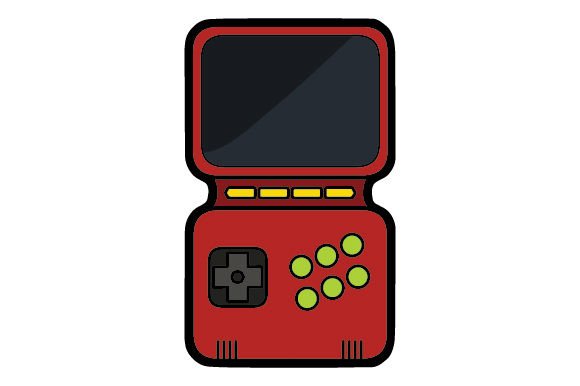
A handheld game emulator is a portable device designed to mimic the functionality of older gaming consoles. Unlike traditional emulators that run on desktops or laptops, these handheld versions come with built-in controls, screens, and batteries, allowing users to play retro games anywhere, anytime. These devices often support a wide range of systems, from the Nintendo Entertainment System (NES) to the PlayStation 1, and even arcade machines.
While the concept of emulation has been around for decades, the modern handheld game emulator combines powerful hardware with intuitive design, offering a seamless experience for both casual players and hardcore retro fans.
Key Features That Make a Difference
What sets a quality handheld game emulator apart from a basic emulation setup? Several factors contribute to its appeal and usability:
- Portability: Designed to be held and played on the go, these devices are compact and lightweight, often resembling classic handhelds like the Game Boy or PSP.
- Preloaded Software: Many models come with extensive game libraries preinstalled, eliminating the need to source ROMs separately.
- Customizable Controls: From analog sticks to shoulder buttons, modern emulators offer responsive, ergonomic layouts tailored to different gaming eras.
- High-Resolution Displays: Crisp screens with adjustable brightness make retro visuals look fresh and vibrant, even in daylight.
- Save States and Cheats: Features like instant save states, rewind, and cheat codes enhance the retro experience without breaking immersion.
Why It’s More Than Just a Nostalgia Trip
The appeal of the handheld game emulator extends beyond reliving childhood memories. It serves as a versatile tool across various personal and professional domains:
- Personal Entertainment: Whether you're commuting, traveling, or just relaxing, having hundreds of classic games in your pocket is a game-changer (pun intended).
- Educational Use: Teachers and educators can use these devices to demonstrate the evolution of video game design, programming, and storytelling in media classes.
- Creative Inspiration: Game developers and designers often study classic titles to understand level design, mechanics, and user interface simplicity.
- Content Creation: Vloggers, streamers, and YouTubers can use handheld emulators to create retro gameplay content without the hassle of setting up multiple consoles.
- Commercial Use: Arcades, bars, and event spaces can integrate these devices into retro gaming lounges or rental setups, offering a nostalgic experience to customers.
Usability and Design: Enhancing the User Experience
One of the standout advantages of a well-designed handheld game emulator is its focus on user experience. Unlike setting up an emulator on a PC—which often involves configuration, BIOS files, and legal gray areas—these devices are plug-and-play. They come ready to use out of the box, with intuitive menus and responsive controls that even non-tech-savvy users can navigate easily.
Additionally, many models feature modern upgrades like Wi-Fi connectivity, cloud saves, and online multiplayer capabilities, blending retro charm with contemporary convenience. Some even allow for microSD card expansion, letting users add more games or update firmware as needed.
Real-World Examples and Use Cases
Let’s look at a few real-world applications that illustrate the versatility of the handheld game emulator:
- Freelance Game Designer: A freelance game artist uses a handheld emulator to study sprite animation techniques from the SNES era, drawing inspiration for a new indie project.
- Marketing Campaign: A brand launches a retro-themed promotion and uses handheld emulators preloaded with custom-branded mini-games as giveaways at a trade show.
- Family Entertainment: Parents introduce their kids to the games they grew up with using a handheld emulator, sparking intergenerational bonding over shared digital experiences.
- Remote Work Breaks: A remote software developer keeps a handheld emulator on their desk to unwind during short breaks, helping reduce stress and boost productivity.
What to Consider When Choosing a Handheld Game Emulator
With several models available on the market, selecting the right handheld game emulator requires thoughtful consideration. Here are some practical tips:
- Supported Systems: Check which consoles and systems the device can emulate. Some specialize in 8-bit and 16-bit games, while others support more advanced systems like the N64 or GBA.
- Battery Life: If you plan to use it on the go, battery longevity is crucial. Look for models with at least 6–8 hours of gameplay on a single charge.
- Storage Capacity: Devices with expandable storage via microSD cards offer more flexibility for adding games or updates.
- Build Quality: A sturdy, well-built device with responsive buttons and a comfortable grip makes a big difference during extended play sessions.
- Legal and Ethical Use: Ensure that any preloaded games are legally licensed. If you’re adding your own ROMs, only use them with games you own physically.
Final Thoughts: A Modern Tool with Retro Soul
The handheld game emulator is more than just a toy for nostalgia buffs—it’s a powerful, flexible device that bridges the gap between past and present. Whether you're a casual gamer, a creative professional, or someone looking to explore the roots of digital entertainment, a quality handheld emulator can offer a rich, engaging experience without compromising on usability or modern features.
As technology continues to evolve, the line between retro and modern gaming will only blur further. And for those who appreciate the simplicity and charm of the past, the handheld game emulator stands as a testament to how far we’ve come—and how much fun we can still have looking back.